
Dog park, dog run and “dogs must be on a lead”: Irish wording
Irish councils say dog park, dog run or just put a lead pictogram on the gate. The bye-law is the text that counts.
Irish councils say dog park, dog run or just put a lead pictogram on the gate. The bye-law is the text that counts. "Dogs must be on a lead" is the everyday plate. Effectual control is the statute. A Google pin is not either of them.
Dog park
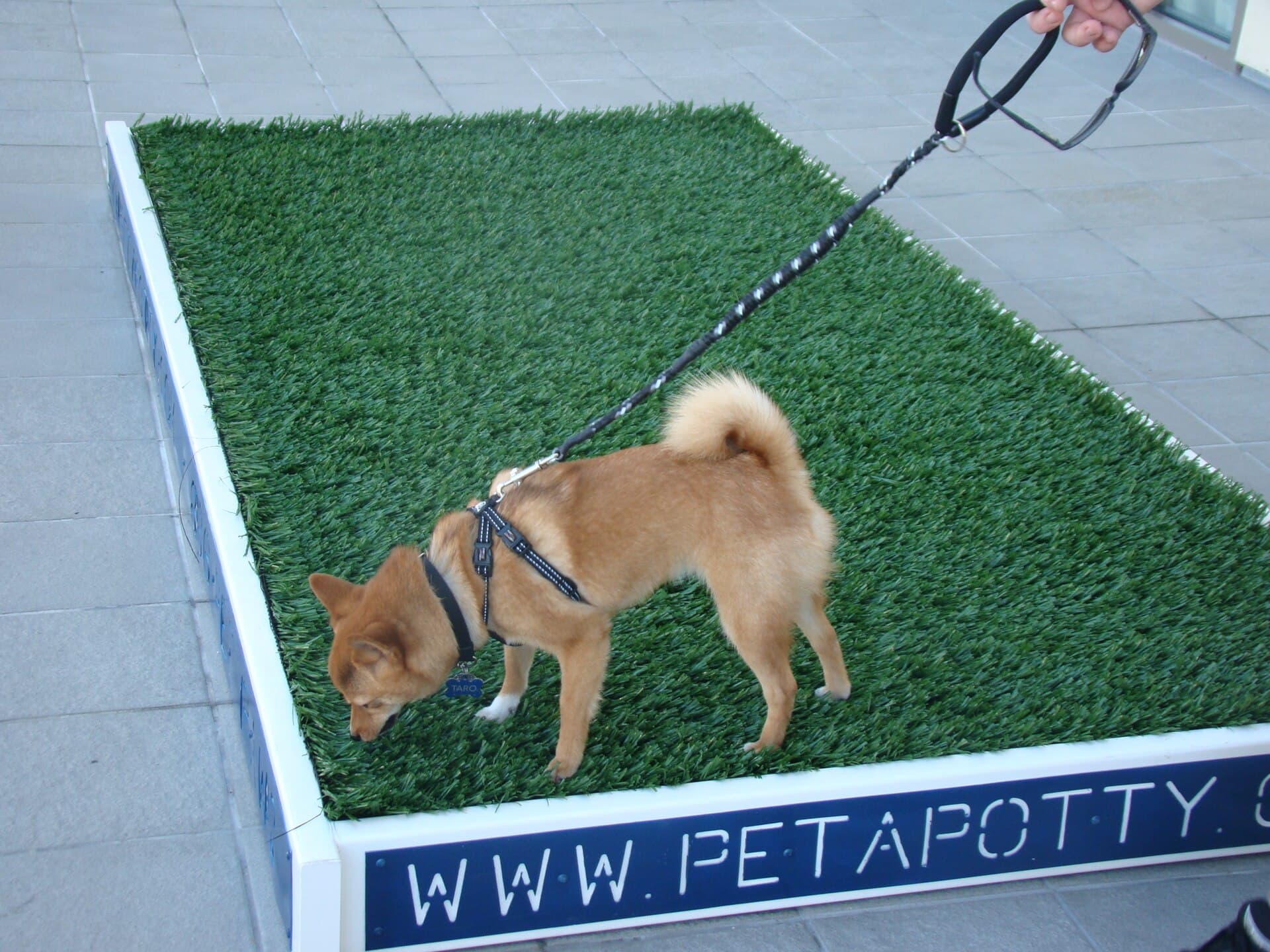
"Dog park" is search language. It is also the phrase Dublin City Council used in its Parks Strategy: fenced-in areas within larger parks where dogs are free to run. That is a facility, not a legal designation for the whole green.
If the place has a fence, a gate and a council plate, you are looking at an enclosed run. Inside, the house rules on the gate apply. Outside the fence you are back in the Control of Dogs bye-laws and the parks bye-laws. The grass beside the run is not an extension of the run.
If the pin has no fence, treat it as a hint. A corner where people unclip is not a dog park because a mapper drew it. The council's schedule, map or board is the exception, if there is one.
Dog run, enclosed run, signed corner
"Dog run" describes the fenced paddock. Some councils never use the words. They mark "off-lead area" or "off-leash area" on a parks page and leave the gate to do the rest.
The fence is the fact that matters. A double gate is a facility. A painted line, a post, or a sentence in a bye-law schedule is a signed area. They are not the same. A signed area can be withdrawn when the bye-law is remade. A locked gate is a closed facility, not an invitation to use the field next door.
Dún Laoghaire-Rathdown is the clearest published example. Under its Parks Bye-Laws, dogs must be on leads in parks, with the exception of Killiney Hill Park and specific off-leash areas in Cabinteely, Deerpark, Marlay, Shanganagh and Kilbogget Parks. Restricted breeds stay on the lead even there. That is a named exception list, not a Google category.
Fingal uses the same split in different words: leashed in council-owned parks unless there is a designated off-leash area. The maps sit in the parks bye-laws and the user guide, not on a pin.
"Dogs must be on a lead"
That is the plate you will actually see. Irish instruments often write "leash". Everyday Irish is lead. The statute behind both is section 9 of the Control of Dogs Act 1986: accompanied, and under effectual control, off the owner's premises.
Effectual control is not the same as a lead in every sentence of the Act. Cork County Council still reads it, in public, as a lead. Dublin City's 1998 bye-laws go further in First Schedule places: a sufficiently strong chain or leash, two metres if fixed, ten metres if retractable, except in the monthly morning and evening windows the bye-laws set. In those windows the dog may be "unleashed" if it remains under effectual control. North Bull Island is excluded. Restricted types never get the window.
A retractable lead that is out to ten metres is still a lead. It is not off-lead. If the dog can reach a playground, a cycle lane or another person, you have not met the plate.
The Control of Dogs Regulations 1998 use "leash" for the restricted types: a strong chain or leash not exceeding two metres, a muzzle, a handler over sixteen. That national plate sits on every public place, including inside a signed off-lead corner.
Beach hour, banned zone, OPW plate
A beach hour is not a dog park. Dún Laoghaire-Rathdown Beach Bye-Laws 2012 close the Seapoint and Sandycove bathing areas to dogs all year, then put a daytime lead on the rest of Sandycove, then close Killiney bathing area in a summer window. Fingal adds Blue Flag hours on named stretches. Those clocks are local. There is no national beach season.
A banned zone is not a park at all. Dublin City's Second Schedule keeps dogs out of playgrounds, libraries, swimming pools and similar buildings under the council, other than a guide dog, unless an officer permits. OPW playgrounds, walled gardens, cafés and toilets are the same idea on a different board: dogs not permitted.
OPW wording is its own. The Code of Conduct lists "areas where dogs are not permitted" and "areas where dogs need to be kept on a lead". Phoenix Park: no dogs in Ashtown Walled Garden or the playgrounds; lead in the People's Gardens, at the Visitor Centre, near deer, near horse trekking, on cycle lanes. St Stephen's Green is not a city run. The 1962 bye-laws allow a dog on a lead, not a free green. The Code adds lead at the playground, the lake and the fountains.
How to read the board
Who made it. City council, county council, or OPW. A pictogram of a running dog without a council name is incomplete.
What it applies to. A named park, a First Schedule of "any park, garden, open space, seashore", a bathing area, a playground, or a whole functional area.
When. All year, a month window, a morning hour, a Blue Flag afternoon. If there is no date, do not invent one. Dublin's 1998 windows change by month. The council publishes the current timetable.
If two plates share a gate, take the stricter. Parks bye-laws and dog-control bye-laws often sit together. A Special Amenity Area Order can cancel an unleash window. Restricted-breed rules cancel it for those types.
Maximum numbers are not a national figure. The OPW Code of Conduct gives a rule of thumb: no-one in charge of more than three dogs at once. If a council writes a cap, it will be on the bye-law or the board.
Search words that actually hit
On a council site: "control of dogs", "bye-laws", "off-lead", "off-leash", "beach bye-laws", plus the council name. On irishstatutebook.ie: Control of Dogs Act 1986. On an OPW park site: park regulations, code of conduct.
In a map app, a "dog park" pin is a mapper's tag. The pin is not the bye-law.
Take bags. Check the board where you stand, and the council's current bye-laws. The country page for Ireland is at frihund.eu/ie.
Sources
- Control of Dogs Act 1986, section 9
- Control of Dogs Act 1986, section 17
- S.I. No. 442/1998 — Control of Dogs Regulations 1998
- Dublin City Council — Bye-Laws for the Control of Dogs 1998
- Dublin City Council — Control of Dogs Bye-Laws 1998 (PDF)
- Dublin City Council — Parks and Open Spaces Bye-Laws 2002
- Dublin City Parks Strategy 2019–2022 (part 2)
- Dún Laoghaire-Rathdown County Council — Dogs
- Fingal County Council — Leashes and Control of Dogs
- Fingal County Council — Dog Walking in Fingal
- Phoenix Park — Park Regulations
- OPW — Code of Conduct for Dog Owners
- S.I. No. 175/1962 — Saint Stephen's Green Bye-Laws
- Cork County Council — Dog Owners' Responsibilities